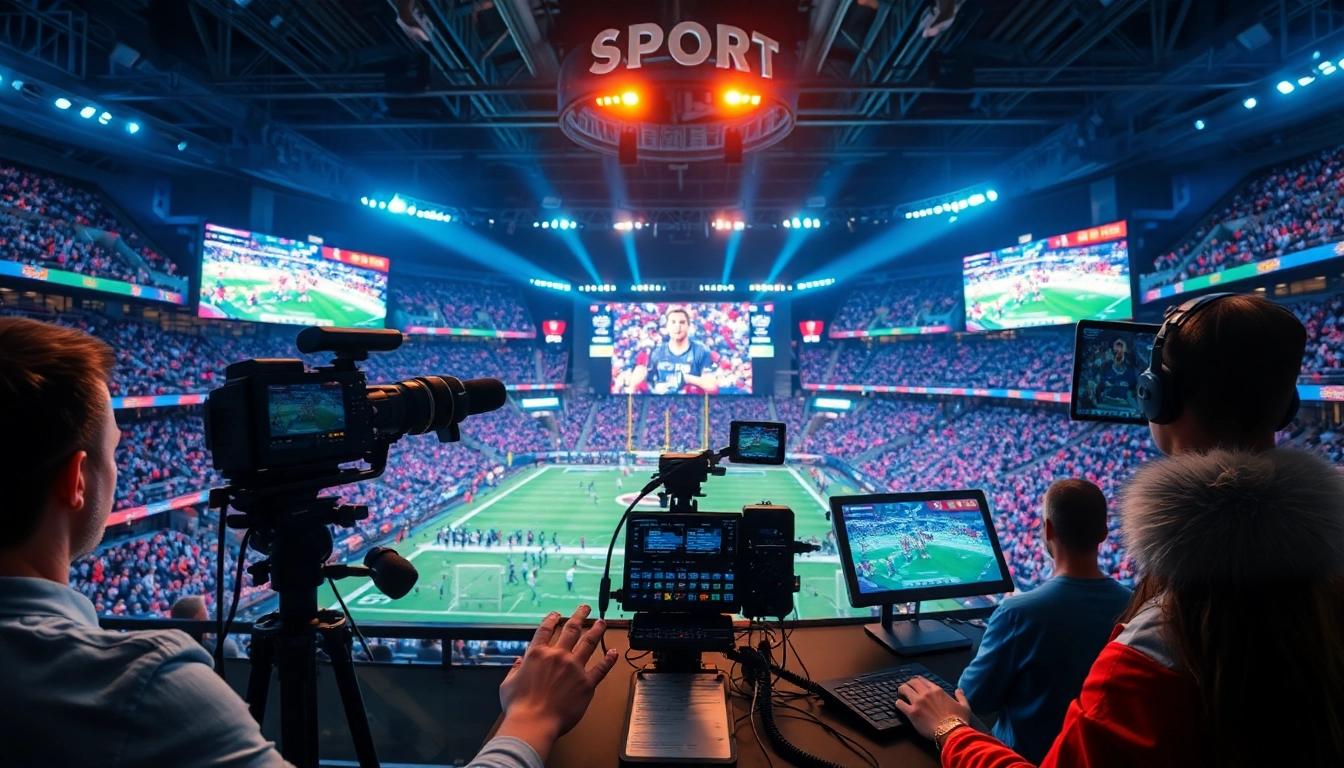
Understanding Sports Broadcasting
Definition and Scope of Sports Broadcasting
Sports broadcasting is the dissemination of live or recorded sporting events through various media channels, including television, radio, and streaming platforms. This practice encompasses the presentation of athletic competitions, news, analysis, and commentary to engage viewers and listeners around the globe. With roots tracing back to the early 20th century, Sports Broadcasting has evolved into a dynamic field that leverages innovative technology and market trends to captivate audiences.
Importance in the Sports Industry
The impact of sports broadcasting on the sports industry cannot be overstated. It plays a vital role in generating revenue through advertising, sponsorships, and merchandising. Broadcasting rights are often among the most lucrative aspects of professional sports, allowing leagues and teams to secure substantial financial resources. Furthermore, effective broadcasting helps enhance fan loyalty and engagement, creating a sense of community among supporters. As viewership expands, so does the potential for athlete endorsements and branding opportunities.
Technological Advances Transforming the Field
Recent technological advances have dramatically transformed the landscape of sports broadcasting. High-definition (HD) and ultra-high-definition (UHD) broadcasts enhance viewer experiences with clearer, more vibrant images. Virtual and augmented reality technology allows fans to immerse themselves in the action, providing unique perspectives that traditional viewing cannot. Additionally, the rise of streaming platforms has made content more accessible, enabling audiences to watch games on-demand, regardless of location.
Components of Effective Sports Broadcasting
Essential Equipment for Professionals
The backbone of effective sports broadcasting lies in the right equipment. Professional studios are outfitted with high-quality cameras, microphones, and broadcasting software to ensure clear audio and visual clarity. The use of mobile broadcasting units allows teams to capture live footage from various angles during events, further enriching viewers’ experiences. In an age where quality matters, investing in state-of-the-art technology pays dividends for broadcasters aiming to stand out.
Key Skill Sets Required for Success
Success in sports broadcasting requires a multi-faceted skill set. First and foremost, an understanding of the sport in question is essential; analysts and commentators need to convey insights that enhance the audience’s experience. Communication skills are paramount, encompassing clarity, charisma, and the ability to engage audiences. Additionally, technical proficiencies, such as familiarity with broadcasting software and equipment, are critical to executing high-quality presentations.
Best Practices in Script Writing and Presentation
Script writing in sports broadcasting demands both creativity and precision. A well-crafted script serves as a roadmap for broadcasters, ensuring they communicate key points effectively while maintaining spontaneity. It’s essential to strike a balance between factual reporting and storytelling, drawing viewers in with compelling narratives. Furthermore, practicing delivery techniques, such as pacing and tone variation, can significantly enhance the impact of the broadcast.
Engaging the Audience: Strategies and Techniques
Interactive Broadcasting: Enhancements and Tools
Interactive broadcasting technologies have opened new avenues for viewer engagement. Features like live polls, Q&A sessions, and audience commentary sections allow fans to participate actively in the broadcast. These tools not only enhance the viewing experience but also foster a sense of community among fans. Integrating these interactions encourages viewers to share their opinions, thereby deepening their connection to the content.
Building a Loyal Viewer Base
To cultivate a loyal viewer base, broadcasters must understand their target demographics and cater to their interests. Employing strategies such as personalized content, consistent branding, and audience feedback mechanisms helps create an inclusive environment where viewers feel valued. Hosting special events, like fan meet-ups or behind-the-scenes segments, can also deepen loyalty and enhance viewer relationships.
Utilizing Social Media for Audience Engagement
Social media platforms serve as powerful tools for engaging audiences in the sports broadcasting arena. Leveraging platforms such as Twitter, Instagram, and Facebook allows broadcasters to connect with fans on a personal level, share highlights, and promote upcoming events. Regularly interacting with the audience through social media not only boosts engagement but also creates a dynamic dialogue between broadcasters and fans, enhancing viewer connection.
Challenges in Sports Broadcasting
Addressing Technical Malfunctions
Technical malfunctions remain a significant challenge in the fast-paced environment of sports broadcasting. Issues such as equipment failure or connectivity problems can disrupt broadcasts and lead to viewer dissatisfaction. It is essential to have contingency plans in place, including backup equipment and trained personnel who can troubleshoot problems swiftly. Pre-event checks and rehearsals can also mitigate the risk of malfunctions during live events.
Managing Live Commentary and Audience Expectations
Live commentary comes with its own set of challenges, as broadcasters must deliver real-time insights while managing audience expectations. Maintaining composure under pressure is vital, and broadcasters must be capable of adapting their commentary style based on the unfolding event. Staying informed about team and player statistics, as well as maintaining a conversational tone with viewers, can enhance the quality of live commentary.
Dealing with Controversies and Crises
In sports broadcasting, controversies and crises can arise unexpectedly, requiring careful navigation. Broadcasters need to approach sensitive topics with tact and diplomacy, providing balanced coverage while acknowledging various perspectives. Developing a crisis communication plan that outlines protocols for addressing challenging situations can prepare broadcasters for these instances, ensuring they respond appropriately and maintain viewer trust.
The Future of Sports Broadcasting
Emerging Technologies Shaping the Industry
As technology continues to evolve, so too does the landscape of sports broadcasting. Innovations such as artificial intelligence (AI) are beginning to play a significant role, streamlining processes like content personalization and data analytics. AI-generated highlights and post-event analyses can provide viewers with richer content tailored to their preferences. These technologies hold great promise for enhancing the overall viewing experience.
Predictions for Viewer Engagement Trends
Viewer engagement trends are increasingly leaning toward personalization and interactivity. Audiences expect more tailored experiences, leading broadcasters to invest in tools that analyze viewer preferences. New trends may include gamification of broadcasts, where viewers can participate in predictive analytics or fantasy sports elements during live events. Adapting to these changes will be crucial for staying relevant in a competitive environment.
Sustainability in Broadcasting Practices
Sustainability is becoming increasingly important within the sports broadcasting field as the industry seeks to reduce its carbon footprint. Initiatives such as eco-friendly broadcasting practices, reducing waste during events, and utilizing renewable energy sources are gaining traction. Broadcasters can also play a role in promoting sustainability by highlighting environmentally conscious athletes and initiatives within their broadcasts, resonating with eco-aware viewers.
Frequently Asked Questions
What is sports broadcasting?
Sports broadcasting refers to the transmission of live or recorded sports events across various media platforms, including television, radio, and online streaming.
What equipment do sports broadcasters need?
Essential equipment includes high-quality cameras, microphones, broadcasting software, and mobile units for capturing live footage from different angles.
How can I engage my audience during broadcasts?
Engagement can be enhanced through interactive tools like polls, questions, and social media integration, allowing viewers to participate actively.
What challenges do sports broadcasters face?
Common challenges include technical malfunctions, managing live commentary, and addressing controversies or crises that may arise during broadcasts.
What is the future of sports broadcasting?
The future will likely feature emerging technologies such as AI, increasing personalization, and a focus on sustainability and audience interactivity.